
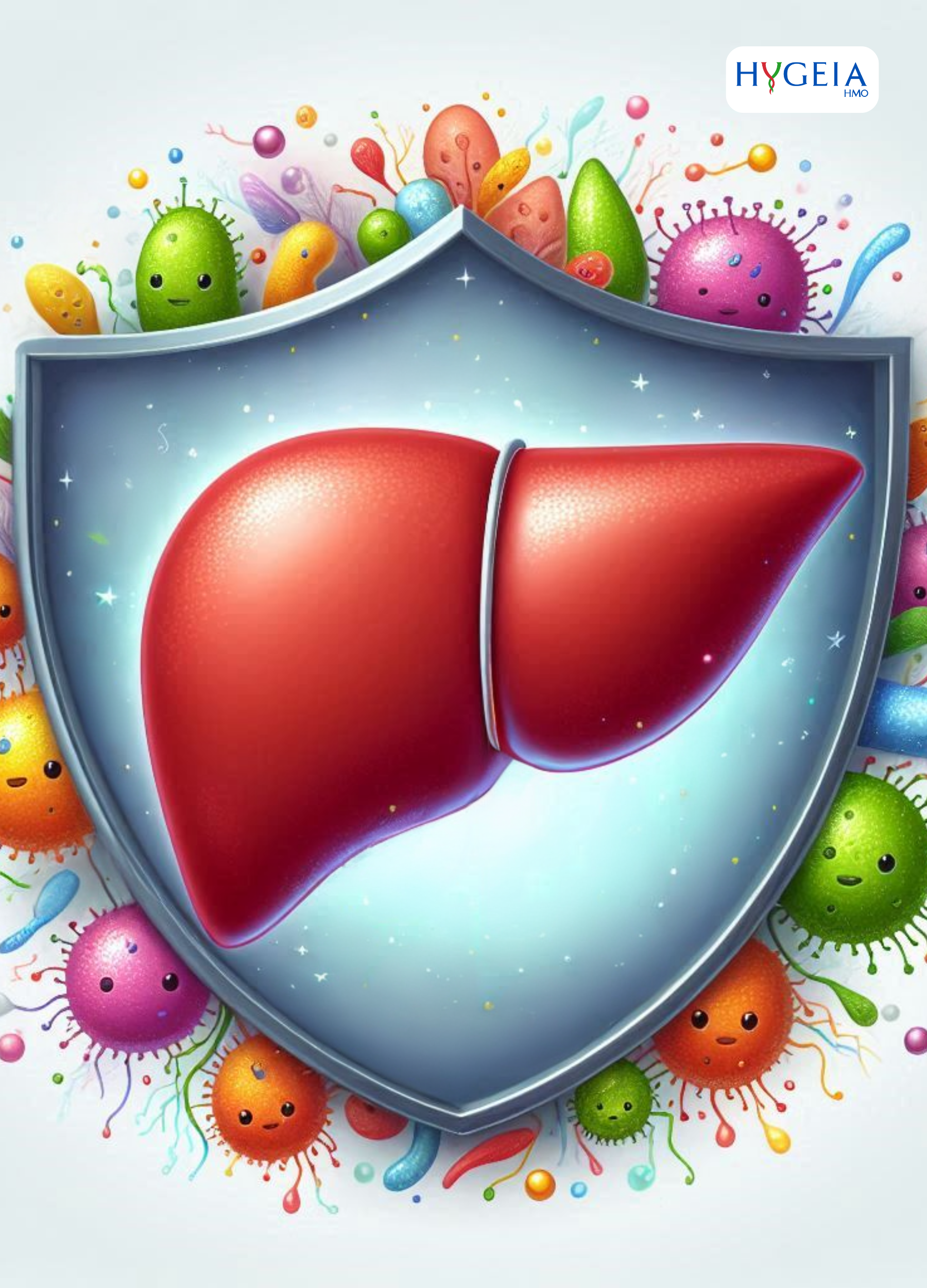
Your liver works hard to keep you healthy, but liver cancer is a serious threat. Fortunately, you can take simple steps to reduce your risk. Here’s how to protect it and help prevent liver cancer:
Keep a Healthy Weight
Extra weight, especially around your belly, can lead to non-alcoholic fatty liver disease (NAFLD). NAFLD can turn into cirrhosis and, eventually, liver cancer. Eat a balanced diet full of fruits, veggies, whole grains, and lean proteins. Regular exercise, like a 30-minute walk each day, can help you maintain a healthy weight and keep your liver in good shape.
Watch Your Alcohol Intake
Drinking too much alcohol is a major risk. Over time, alcohol can damage your liver, causing conditions like alcoholic hepatitis, cirrhosis, and cancer. If you drink, do it in moderation—no more than one drink a day for women and two for men. Meanwhile, the World Health Organization’s (WHO) new guideline on alcohol consumption affirms that no level of alcohol is safe for our health. If cutting back is hard, talk to a healthcare provider for support.
Quit Smoking
Smoking harms your liver and ups your cancer risk. Stopping smoking is a big step toward better health.
Get Vaccinated for Hepatitis
Hepatitis B and C are viral infections that can inflame your liver and raise your cancer risk. The good news is there’s a vaccine for Hepatitis B, recommended for everyone, especially babies, healthcare workers, and those at higher risk. Although there’s no vaccine for Hepatitis C, regular screenings and early treatment can help prevent liver damage.
Avoid Risky Behaviors
Prevention by reducing your exposure to harmful viruses. Don’t share needles, practice safe sex, and only get tattoos or piercings from reputable places that use sterile equipment. These steps lower your chances of getting Hepatitis B or C, which are major cancer risks.
Eat Foods That Support Your Liver
Some foods are especially good for liver health. Eat foods rich in antioxidants, like berries, nuts, and leafy greens, to help reduce inflammation. Drinking coffee can also lower your risk of disease and cancer because it’s packed with antioxidants. On the flip side, avoid processed foods, which are often loaded with sugar, unhealthy fats, and additives that strain your it.
Be Careful with Medications and Supplements
Taking too many medications or supplements can harm your liver. Always follow the recommended dosages and avoid mixing drugs without talking to a doctor. Some herbal supplements, like kava and certain weight-loss products, have been linked to liver problems, so use them cautiously or steer clear altogether.
Get Regular Health Screenings
If you’re at higher risk for liver cancer, regular screenings can catch issues early when they’re easier to treat. This is especially important if you have chronic Hepatitis B or C, cirrhosis, or a family history. Talk to your doctor about screening tests like liver ultrasounds and blood tests for alpha-fetoprotein (AFP).
Conclusion
Prevention is all about protecting your liver. You can greatly reduce your chances of developing liver cancer by following the highlighted tips above. Remember, prevention is the best medicine!

Leave a Reply