
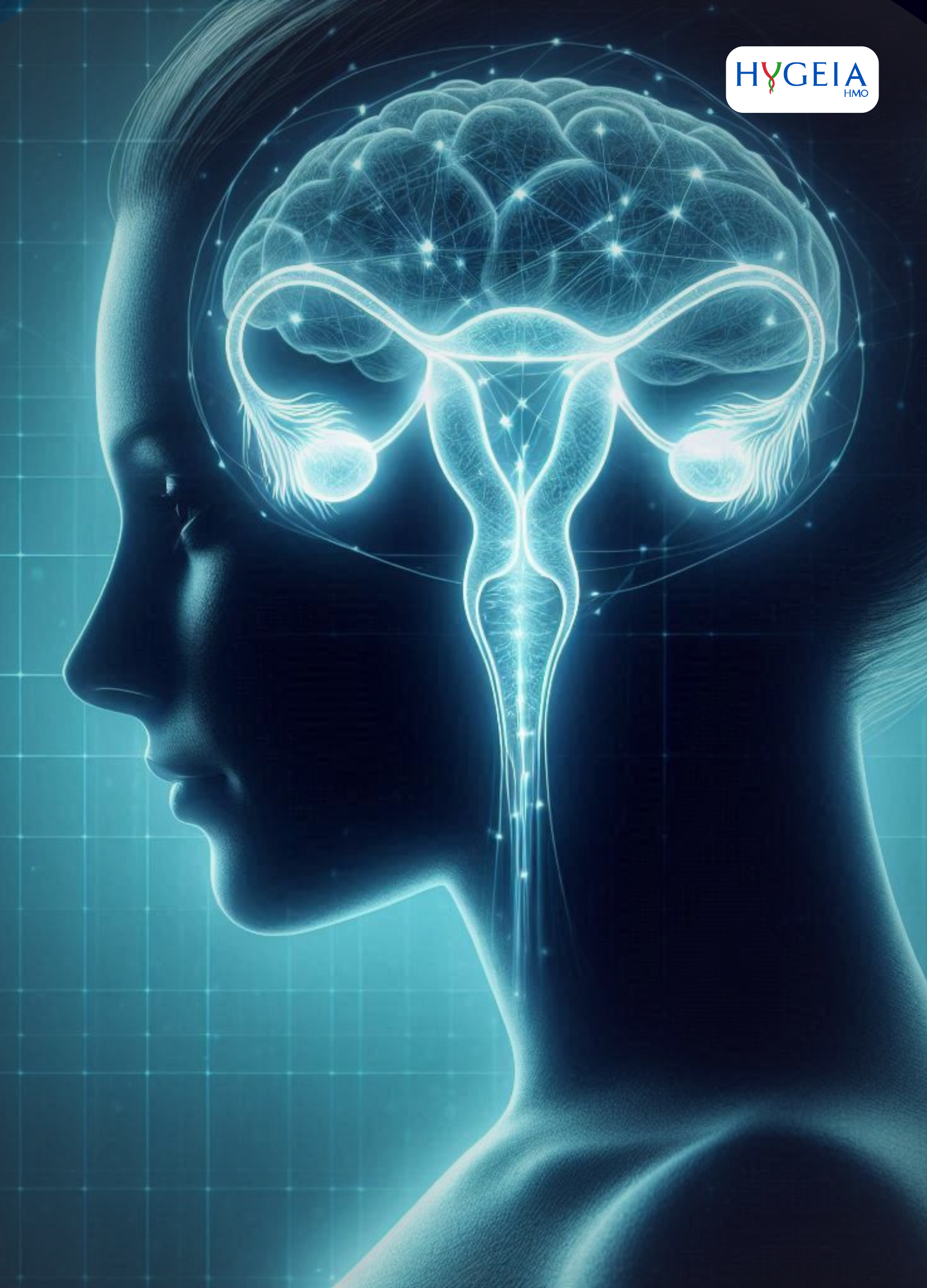
Polycystic ovary syndrome (PCOS) is a condition in which the ovaries produce an abnormal level of androgens, male sex hormones that are usually present in women, in small amounts. The condition affects approximately 1 in 10 women of childbearing age. With PCOS, many small sacs of fluid (cysts) develop along the outer edge of the ovary. And these small fluid-filled cysts contain immature eggs. If you have PCOS, you may not have periods very often, or you may have periods that last many days.
Understanding the Link Between PCOS and Mental Health
PCOS affects millions of women worldwide. It is often discussed in terms of its physical symptoms, such as, irregular periods, acne, weight gain, and excessive hair (hirsutism). However, the impact on mental health is equally significant, yet often overlooked. The connection between PCOS and mental health is multifaceted:
- Hormonal Imbalance: Fluctuations in hormones like estrogen, progesterone, and testosterone can significantly influence mood and contribute to conditions such as anxiety, depression, and irritability.
- Physical Symptoms: The physical manifestations of PCOS, such as acne, weight gain, and hair growth, can negatively impact body image and self-esteem.
- Chronic Condition: Living with a chronic condition can be stressful and overwhelming, contributing to feelings of anxiety and depression.
- Infertility Challenges: PCOS is a leading cause of infertility, which can be emotionally devastating for women in childbearing age.
- Social Stigma: Misconceptions and stigma surrounding PCOS can lead to feelings of isolation and loneliness, exacerbating mental health challenges.
Common Mental Health Challenges
Women with PCOS often experience:
- Anxiety and Depression: The combination of physical symptoms, chronic condition, and potential infertility can contribute to heightened feelings of frustration, sadness, and anxiety.
- Mood Swings: Hormonal fluctuations can cause rapid shifts in mood, making it difficult to manage emotions.
- Body Image Issues: Weight gain, acne, and excessive hair growth (hirsutism) can negatively impact self-esteem and body image. Women with PCOS may feel self-conscious about their appearance, leading to social anxiety and withdrawal from social activities.
- Sleep Disorders: PCOS is often associated with sleep disorders like sleep apnea and insomnia. Poor sleep can exacerbate mental health issues, creating a vicious cycle of fatigue and emotional distress.
- Eating Disorders: Due to body image concerns and weight management challenges, women with PCOS may develop unhealthy eating habits.
Managing PCOS and Mental Health
Managing the mental health aspects of PCOS requires a holistic approach that addresses both physical and emotional well-being. Here are some strategies that can help:
- Talk to Your Doctor: Your healthcare provider can assess your symptoms and recommend appropriate treatment.
- Seek Therapy: A therapist can provide coping strategies and support to manage mental health challenges.
- Healthy Lifestyle: A balanced diet and regular exercise can help manage weight and improve overall health. Exercise, in particular, is known to boost mood and reduce anxiety. Aim for at least 30 minutes of moderate exercise most days of the week.
- Medication: In some cases, medication may be necessary to manage both the physical and mental health aspects of PCOS. Hormonal treatments, antidepressants, antidiabetic, and anti-anxiety medications can be prescribed by your doctor.
- Mindfulness and Relaxation: Practices such as yoga, meditation, and deep-breathing exercises can help reduce stress and improve mental clarity. These activities promote relaxation and can help manage the emotional ups and downs associated with it.
- Join a Support Group: Connecting with others who understand what you’re going through can be incredibly helpful.
Remember, you’re not alone. Many women with PCOS successfully manage both the physical and mental aspects of the condition. With the right support and self-care strategies, you can lead a fulfilling life.

Leave a Reply